



Polyporus squamosus
Polyporus squamosus, belonging to the family Polyporus, is a medium-sized saprophytic mushroom that inhabits wood and is edible. It is widely distributed and found in North America, Australia, Asia, and Europe, living in hardwood forests. This species was first described by British biologists in 1778 and was named Boletus squamosus at the time. The current name was proposed by Swedish biologist Elias Magnus Fries in 1821 in Systema Mycologicum.

Scale wax hole fungus on tree stumps
Polyporus squamosus, belonging to the family Polyporus, is a medium-sized saprophytic mushroom that inhabits wood and is edible. It is widely distributed and found in North America, Australia, Asia, and Europe, living in hardwood forests. This mushroom is widely distributed and has been found in the eastern Rocky Mountains of the United States, most parts of Europe, Australia, and Asia. It usually grows in spring, occasionally in autumn, and rarely in other seasons. It often grows in patches, with an area of up to 50 centimeters. It plays an important role in forest ecosystems by decomposing wood, usually elm trees, and rarely parasitizes living trees.

Popular Models
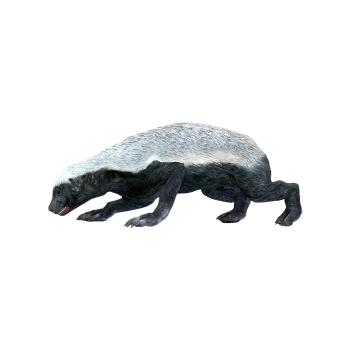
Honey Badger (3D animated model)
194 View
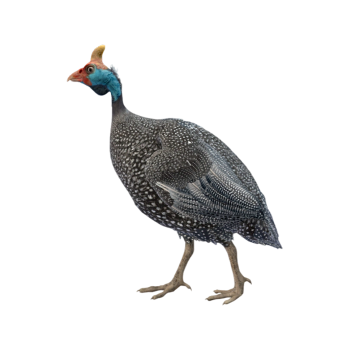
Guinea fowl (3D animated model)
165 View
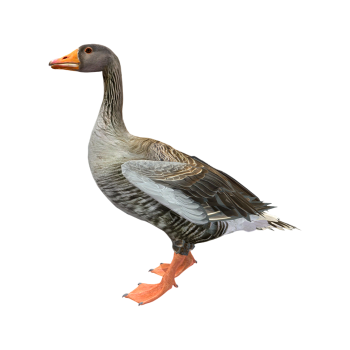
Wild Goose (3D animated model)
187 View
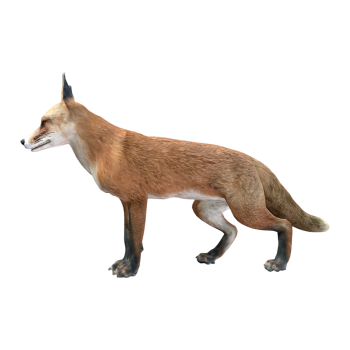
Red Fox (3D animated model)
155 View
Random Model
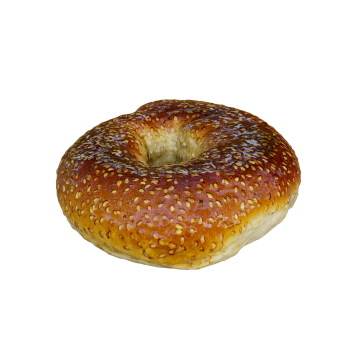
Sweet donut
743 View

Nefertari Temple Statue Ramses II
532 View

Fossil teeth of Triceratops
1054 View

Black Cat (with 3D animated model)
7384 View


Dolphin 3D model with animation
1026 View
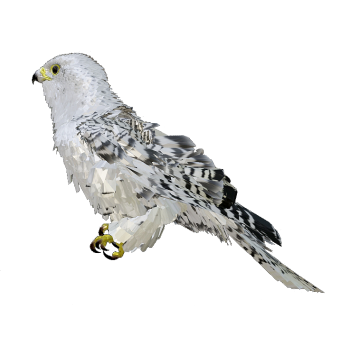
spear falcon 3d model animation
1160 View

Russian MiG-31K fighter model
656 View

KTM Duke 200 Sport Motorcycle
872 View

Strawberry
517 View